
Thomas Rimmelé
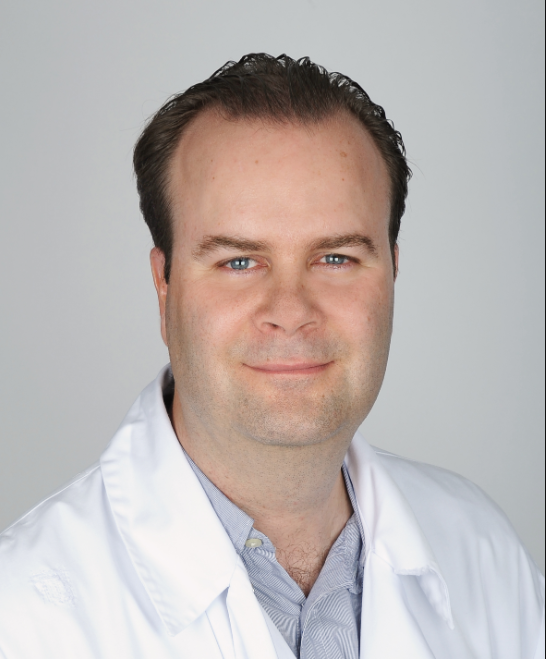
Prof Thomas Rimmelé is an intensivist currently working in Nice, France. He gained his medical degree in 2004, specialising in anaesthesiology and intensive care, from the Claude Bernard University, Lyon, France, and subsequently completed a PhD on extracorporeal blood purification therapies in sepsis. Prof. Rimmelé is the author or co-author of approximately 300 peer-reviewed papers. In addition to blood purification for sepsis, Prof. Rimmelé’s academic interests include Acute Kidney Injury, Renal Replacement Therapy in the intensive care unit, and simulation in healthcare as he was also the director of the simulation center at Lyon University. Since Fall 2025, Prof Rimmelé is the new chair of the AKI section of the European Society of Intensive Care Medicine (ESICM).
19th September 2026 Saturday
| Time | Session |
|---|---|
|
14:00
15:30
|
Managing Patients with Sepsis: Modifying the Course with ECOS
Room 103
|
|
16:00
17:40
|
Kent DoiJapan
Moderator
Organ Crosstalk in AKIAcute kidney injury (AKI) is frequently complicated by distant organ dysfunction, significantly increasing patient morbidity and mortality. Recent clinical and experimental evidence highlights complex inter-organ crosstalk mechanisms, such as systemic cytokine release, oxidative stress, immune dysregulation, and damage-associated molecular patterns (DAMPs), that mediate extrarenal tissue injury. Experimental studies demonstrate distinct pathophysiological axes connecting the injured kidney with the heart and lungs. Specifically, mitochondrial dysfunction plays a critical role in acute cardiorenal syndrome. Furthermore, in AKI-induced acute lung injury, in addition to activation of the HMGB1–Toll-like receptor 4 (TLR4) pathway and formation of neutrophil extracellular traps (NETs), recent studies have reported a novel pathophysiological mechanism of impaired gas exchange mediated by neutrophil retention. This presentation provides an updated overview of the molecular pathways driving AKI-induced distant organ crosstalk, emphasizing key pathophysiology involving the heart and lungs, and discusses targeted therapeutic strategies to improve clinical outcomes in multi-organ failure.Heterogeneity and Future Direction of Major Adverse Kidney EventsThe "AKI/AKD/CKD axis" represents a critical continuum in nephrology, highlighting that acute kidney injury (AKI) is not merely a self-limiting episode but a potent driver of chronic kidney disease (CKD). Numerous clinical studies have reported the epidemiology of the AKI-to-CKD transition, demonstrating how recurrent or severe AKI accelerates renal decline. Crucially, methodological heterogeneity in defining Major Adverse Kidney Events (MAKE), as highlighted by our recent scoping review (Maeda et al., Intensive Care Med 2024), complicates the interpretation of clinical trial outcomes. To ensure the success of future clinical trials targeting AKI and the AKI-to-CKD transition, we must not only identify optimal therapeutic targets, but also establish standardized outcomes that directly align with improved patient care.Targeted Polymyxin B Hemadsorption in Sepsis: Lessons from Japanese Experience and Patient SelectionPolymyxin B haemadsorption (PMX-HA) has a long clinical history in Japan in the treatment of endotoxemia and septic shock. However, recent international randomized controlled trials and clinical guidelines have caused controversy regarding its routine use, citing inconsistent survival benefits in unselected populations. This presentation reviews the evolution of PMX-HA, from its origins in extensive Japanese clinical experience to modern precision medicine approaches in intensive care. Recent secondary analyses and real-world studies have highlighted significant heterogeneity in treatment effects, underscoring the necessity of appropriate patient selection. Subgroup analyses from the EUPHRATES trial demonstrated the potential efficacy of PMX-HA in patients with moderate-to-high endotoxin activity levels (EAA 0.6–0.9) and high severity of organ failure. Furthermore, machine learning applications such as causal forest modelling on large observational and trial cohorts have successfully identified specific biomarker profiles and clinical characteristics that define true responders.
Room 101
|
20th September 2026 Sunday
| Time | Session |
|---|---|
|
07:30
08:15
|
How Do I Use Hemadsorption in My Practice
Room 101D
|
|
12:40
13:45
|
HF440 Next Generation Symposium Innovation Across the Kidney Care Continum
Room 101D
|