
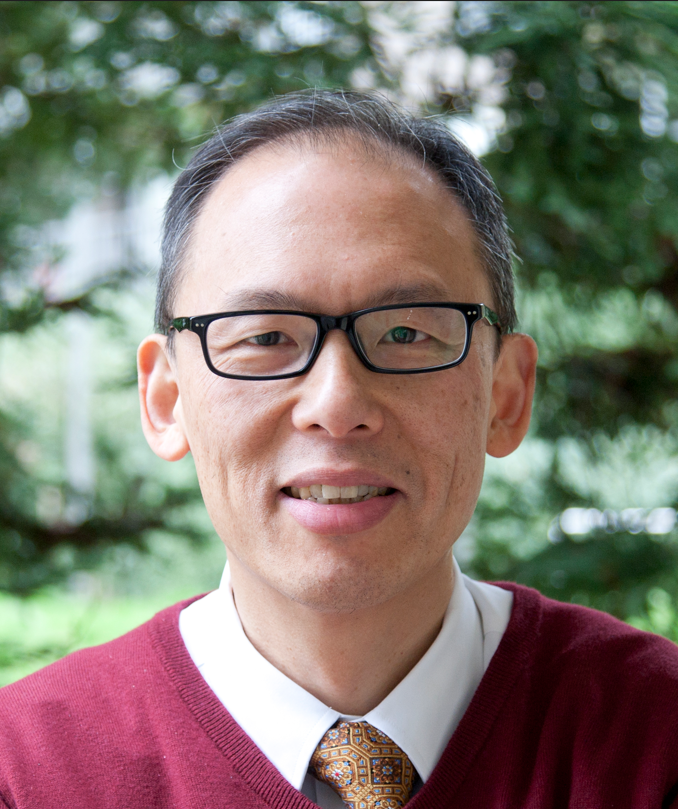
Chi-yuan Hsu

Dr. Chi-yuan Hsu was born and finished high school in Hong Kong. He is a graduate of Yale College and Harvard Medical School and completed his renal fellowship at the Massachusetts General Hospital. Dr. Hsu moved to the University of California, San Francisco in 1999 where he is currently the Dr. Robert W. Schrier Distinguished Professor in Nephrology and Chief of the Division of Nephrology. In recognition of his research achievements, Dr. Hsu has been inducted into the American Society for Clinical Investigation and the Association of American Physicians. He received a Top 10 Clinical Research Achievement Award from the Clinical Research Forum in 2022. His Google Scholar H-index is 99. A major focus of Dr. Hsu’s research has been the population epidemiology of acute kidney injury and the bidirectional relationship between acute kidney injury and chronic kidney disease. With Dr. Kathleen Liu, he co-led Liberation From Acute Dialysis (LIBERATE-D) randomized control trial (JAMA 2026) which showed that a conservative dialysis strategy promoted kidney function recovery in patients with severe dialysis-requiring acute kidney injury.

18th September 2026 Friday

Time Session
16:00
17:50
(A then B)
Chi-yuan HsuUnited States Moderator Targeting Persistent AKI and Promoting RecoveryDoes Mild to Moderate AKI Actually Cause CKD?
Kathleen LiuUnited States Moderator How do I Manage Patients with Combined Kidney and Liver FailureKidney-Ventilator Interactions and Kidney Protective Ventilation /or Lung and Kidney CrosstalkHow Do I Care for the Patient with ARDS and AKIDe-escalating and Transitioning RRT: Best Practices
Room 101C

19th September 2026 Saturday

Time Session
10:45
12:30
Chi-yuan HsuUnited States Moderator Targeting Persistent AKI and Promoting RecoveryDoes Mild to Moderate AKI Actually Cause CKD?
Shih-Chi KuTaiwan Moderator
  • Lui ForniUnited Kingdom Speaker Sepsis Associated AKIBicarbonate in AKI: Use and MisuseAdapting CRRT for Patients with Electrolyte and ACID-Base Disorders
  • Claudio RoncoItaly Speaker Hemoadsorption in the ICUSpecial Lecture: 50 Years of CRRT: A Journey Through InnovationRole of Renal Functional Reserve on AKI Risk and RecoveryHow Do I Use Hemadsorption in My PracticeManaging the Heart Failure Patient With Worsening Renal Function (WRF)
  • Keith Wille Speaker Connectology with Hybrid Systems: ECMO, Apheresis, ECCO2RExtracorporeal life support technologies are increasingly used in critical care settings, with integrating extracorporeal membrane oxygenation (ECMO), apheresis, and extracorporeal carbon dioxide removal (ECCO₂R) to provide multi-organ support. This session explores the principles, clinical applications, and challenges of extracorporeal systems and their integration into CRRT, focusing on the interaction between ECMO and renal replacement therapy (CRRT), the role of ECCO2R in respiratory failure, and the combination of apheresis for immunomodulation. Through discussion, participants will gain an understanding of patient selection, circuit configurations, anticoagulation strategies, and the physiological considerations that impact patient outcomes. Emphasis will be placed on optimizing patient management, recognizing complications, and developing a structured approach to hybrid extracorporeal therapy.AKI in Mechanical Circulatory SupportAcute kidney injury (AKI) is a frequent and important complication of cardiogenic shock and is strongly associated with adverse outcomes. Its pathogenesis is multifactorial, reflecting reduced cardiac output and renal perfusion, venous congestion, neurohormonal activation, systemic inflammation, vasopressor exposure, and hemodynamic instability. Mechanical circulatory support (MCS) may interrupt this cycle by restoring cardiac output, reducing venous congestion, and decreasing vasopressor requirements; however, MCS itself may contribute to kidney injury through hemolysis, embolic events, limb ischemia and rhabdomyolysis, bleeding, contrast exposure, and device-related hemodynamic disturbances. This presentation will review the mechanisms and clinical impact of AKI across commonly used temporary and durable MCS platforms, including intra-aortic balloon pumps, microaxial flow pumps, temporary ventricular assist devices, and durable LVADs. Particular emphasis will be placed on identifying potentially reversible contributors to AKI, understanding the relationship between timing of circulatory support and renal recovery, and managing patients who require concurrent kidney replacement therapy. Practical considerations for CRRT, including vascular access, anticoagulation, ultrafiltration, and interactions between CRRT and MCS, will also be discussed. How do I care for the Patient with ARDS and AKIAcute respiratory distress syndrome (ARDS) and acute kidney injury (AKI) frequently coexist in critically ill patients and together are associated with substantial morbidity and mortality. Their management is closely intertwined: mechanical ventilation, positive end-expiratory pressure, hemodynamic support, and fluid administration may influence renal perfusion and venous congestion, while AKI and fluid accumulation can worsen pulmonary edema, impair gas exchange, and complicate ventilator management. This presentation will provide a practical approach to the patient with concurrent ARDS and AKI, integrating pulmonary and kidney-focused strategies. Key topics will include lung-protective ventilation and its renal consequences, assessment and management of volume status, the role of conservative fluid strategies and de-resuscitation, and the use of diuretics and kidney replacement therapy to achieve fluid-balance goals. Attention will be given to when and how continuous renal replacement therapy can support fluid management in patients with severe respiratory failure, including those with hemodynamic instability. The session will emphasize coordinated decision-making between critical care and nephrology teams to balance lung protection, kidney perfusion, and overall organ support.
  • Jay KoynerUnited States Speaker Special lecture: 2026 KDIGO AKI Guideline UpdateI will be updating the audience on the major conceptual updates of the 2026 KDIGO AKI Guidelines. I will focus on Chapter 1 and 2, including the evolving definition of AKI/AKD, AKI trajectories, biomarkers, and risk prediction, together with selected key updates from Chapter 4 on nephrotoxin-associated kidney injuryTargeting Persistent AKI and Promoting RecoveryI have been working with my co-moderators to develop a case based presentation looking at the use of biomarkers to predict outcomes in a patient with dialysis requiring AKI. and we will be discussing the intracicies of providing AKI-care to those receiving dialysis and how best to wean patients from dialysis and the long term outpatient managment of these patients
Room 101

20th September 2026 Sunday

Time Session
07:30
08:15
Targeting Persistent AKI and Promoting Recovery
  • Chi-yuan HsuUnited States Speaker Targeting Persistent AKI and Promoting RecoveryDoes Mild to Moderate AKI Actually Cause CKD?
    Jay KoynerUnited States Speaker Special lecture: 2026 KDIGO AKI Guideline UpdateI will be updating the audience on the major conceptual updates of the 2026 KDIGO AKI Guidelines. I will focus on Chapter 1 and 2, including the evolving definition of AKI/AKD, AKI trajectories, biomarkers, and risk prediction, together with selected key updates from Chapter 4 on nephrotoxin-associated kidney injuryTargeting Persistent AKI and Promoting RecoveryI have been working with my co-moderators to develop a case based presentation looking at the use of biomarkers to predict outcomes in a patient with dialysis requiring AKI. and we will be discussing the intracicies of providing AKI-care to those receiving dialysis and how best to wean patients from dialysis and the long term outpatient managment of these patients
    Shang-Han WuTaiwan Presenter
Room 101C
10:45
11:30
Sejoong KimSouth Korea Moderator Korean Big-Data Experience in AKI and CRRT OutcomesSouth Korea has established a robust nationwide health data infrastructure, enabling large-scale analyses of acute kidney injury (AKI) and continuous renal replacement therapy (CRRT). Leveraging the Health Insurance Review and Assessment Service (HIRA) and National Health Insurance Service (NHIS) databases, Korean researchers have characterized AKI incidence, risk factors, and short- and long-term outcomes across diverse clinical settings. Studies utilizing CRRT data have identified predictors of mortality, renal recovery, and progression to chronic kidney disease. These big-data approaches provide critical real-world evidence, informing clinical practice and guiding future interventional strategies in critically ill patients with AKI.Precision Volume Management in CRRT: Insights from Bioimpedance and BiomarkersOptimal fluid balance is critical in critically ill patients undergoing continuous renal replacement therapy (CRRT), yet accurate volume assessment remains challenging. Bioimpedance analysis (BIA) offers a non-invasive, objective method to quantify fluid overload and guide individualized ultrafiltration targets. Complementing BIA, emerging biomarkers provide dynamic, real-time insights into volume status and end-organ perfusion. Integrating these tools into a precision medicine framework may optimize fluid removal strategies, reduce complications, and improve survival outcomes in CRRT-dependent patients. Prospective validation of this combined approach is warranted.
VinCent WuTaiwan Moderator AKD Care Redefined: Diabetes, Hypertension, and Strategies for Long-Term Health Traditional acute kidney injury (AKI) classifications, centered around semi-anatomical lines, no longer suffice in capturing the complexity of AKI. Subphenotyping, enriched with AKI biomarkers, holds insights into distinct risk profiles and tailored treatment strategies, redefining AKI and contributing to improved clinical management (Critical Care). Incorporating kidney biomarkers into strategies for early AKI detection and the initiation of AKI care bundles has shown greater effectiveness than using care bundles without these novel biomarkers. Our investigations have made notable advancements in identifying water-soluble regulatory iron hepcidin as a promising early biomarker for predicting postoperative acute kidney injury. Beyond hepcidin, our research extended into the exploration of predictive biomarkers, such as HJV, NGAL, and cFGF-23, uncovering their potential in prognosticating the occurrence and severity of AKI (Cell Death Dis, Antioxidants & redox signaling). The amalgamation of these biomarkers with existing clinical AKI scores holds immense promise in revolutionizing critical care and ushering in a new era of personalized patient management. Moreover, our endeavors have transcended theoretical advancements, with successful patent acquisition for AKI biomarkers attesting to our commitment. We were the inaugural contributors to the discourse on the effects of indoxyl sulfate on the tubulogenesis capability of endothelial progenitor cells and cell aging in acute kidney injury(Angiogenesis). A comprehensive review of the long-term prognosis of acute kidney injury, encompassing impacts on the heart, brain, bone lesions, gastrointestinal, and tissue carcinogenesis, was presented. (JASN, KI, cJASN, JAHA, ICM, CC). Our team posited that transferring post-AKI patients to nephrologists for care could reduce overall mortality and cardiovascular events (Value in Health). Through integrated analysis, we demonstrated that standard dialysis would increase the number of patients avoiding dialysis (CC), stimulating fervent discussions among AKI physicians at international conferences. Notably, we were global trailblazers in proposing that acute kidney disease, regardless of AKI presence, leads to mortality and end-stage kidney disease(eClinicalMedicine ). Although the evidence for patients with acute kidney disease (AKD) is still lacking, several potential pharmacological agents may improve outcomes, including but not limited to angiotensin-converting enzyme inhibitors, angiotensin receptor blockers, mineralocorticoid receptor antagonists, sodium-glucose cotransporter 2 inhibitors, and glucagon-like peptide 1 receptor agonists (JAMA NO). In conclusion, accurate prognosis prediction and effective treatment for AKD are critical yet unmet clinical needs. Future studies are urgently needed to improve patient care in this complex and rapidly evolving field.
  • Chi-yuan HsuUnited States Speaker Targeting Persistent AKI and Promoting RecoveryDoes Mild to Moderate AKI Actually Cause CKD?
  • Rolando Claure-Del GranadoBolivia Speaker Practical Steps to Train (and Become) an AI-Era PhysicianArtificial intelligence is rapidly becoming part of everyday medicine, yet many physicians remain uncertain about how to begin using it effectively and responsibly. Becoming an “AI-era physician” does not require advanced technical expertise; it requires curiosity, critical thinking, and practical skills that can be progressively incorporated into clinical, academic, and research activities. In this Meet the Experts session, participants will explore concrete approaches to developing AI literacy, improving prompting skills, critically evaluating AI-generated information, and identifying useful applications in clinical reasoning, education, scientific writing, research, and workflow optimization. Through expert perspectives, real-world examples, and interactive discussion, the session will also address common pitfalls, including hallucinations, bias, privacy concerns, and overreliance on automation. The goal is to provide participants with a practical roadmap for moving from occasional AI use to confident, thoughtful, and responsible integration of AI into professional practice.Precision Solute Control and Dynamic Dosing with CRRTContinuous kidney replacement therapy (CRRT) is often prescribed using fixed effluent targets, yet critically ill patients have rapidly changing metabolic demands, solute loads, and treatment goals. Precision CRRT requires moving beyond a “one-dose-fits-all” approach toward dynamic prescription and real-time adjustment of therapy. In this interactive workshop, participants will learn how to individualize CRRT dose according to clinical objectives, solute kinetics, treatment interruptions, residual kidney function, and evolving metabolic needs. Practical case-based exercises will address clearance of urea and other small solutes, management of severe hyperkalemia and metabolic acidosis, control of sodium and other electrolyte disorders, and strategies for avoiding under- or overdosing. The workshop will also explore how modality, blood flow, dialysate and replacement-fluid rates, predilution, and delivered versus prescribed dose influence solute clearance. Participants will leave with a practical framework for adapting CRRT prescriptions dynamically and safely at the bedside.Social Determinants of Health and Acute Kidney InjuryAcute kidney injury (AKI) is not only a clinical syndrome but also a reflection of social and structural inequities that shape who becomes ill, who receives timely diagnosis, and who survives. Poverty, geography, education, access to clean water and sanitation, healthcare availability, occupational exposures, and delayed referral can all influence the risk, severity, and outcomes of AKI. These determinants are particularly relevant in low- and middle-income settings, where preventable causes of AKI remain common and access to laboratory testing, specialist care, and kidney replacement therapy may be limited. This plenary session will examine how social determinants interact with biological vulnerability and health-system capacity across the AKI continuum—from prevention and early recognition to treatment and recovery. Addressing AKI effectively therefore requires more than advances in diagnostics and therapeutics; it demands equitable health systems, stronger prevention strategies, and policies that reduce barriers to timely kidney care.
  • Raj ChakravarthiIndia Speaker Pregnancy-Associated AKIManaging the Heart Failure Patient With Worsening Renal Function (WRF)
Room 101AB